
Texas Public Information Act
Texas treats government records as open by default. The framework is the Texas Public Information Act, found in Texas Government Code Chapter 552. It creates a presumption that the public can see information held by a governmental body, and it spells out the policy that people are entitled to complete information about the affairs of government unless the law says otherwise. The act defines public information broadly, covering records written, produced, collected, or kept in connection with official business.
Anyone can file a request, and a person does not have to say why. The county must release records during normal business hours unless an exception applies. There is one big carve-out, though. Court records do not follow the ordinary open-records track.
Section 552.0035 of the same chapter says access to records kept by or for the judiciary runs on rules the Supreme Court of Texas adopts. That single rule explains why a court case file is handled differently from a county budget or contract.
Why Court Records Route to the Clerks
Collin County is firm about this. The county public-records page tells people that court records must be requested from the District Clerk, the County Clerk or County Court at Law clerks, or the justice courts. The open-records portal is not the place to ask for a court case file. The same page routes other records too: police reports go to the agency that wrote them, land and vital and business filings go to the County Clerk, city records go to the cities, and tax appraisal records go to the appraisal district.
The reason is the law above. The judiciary's records run on Supreme Court rules, not the standard Public Information Act process. So a divorce decree, a felony file, or a probate case all go to a clerk. For those, the Collin County court records page and the District Clerk page explain the request steps.
What the County Clerk Maintains
The County Clerk holds a wide set of public records beyond court files. The McKinney office records and keeps documents that touch property, family life, and business. It also maintains the County Court at Law clerk records for misdemeanor and smaller civil cases. The list below covers the main categories the office handles.
- Land recordings, deeds, foreclosures, and plats.
- Marriage licenses, birth certificates, and death certificates.
- Assumed names, marks and brands, and military discharge records.
- Beer and wine applications and bonds.
- Commissioners Court minutes, orders, oaths, and official bonds.
You can search recorded documents through the County Clerk public records search, which is where the property copy form sends people to find document numbers before they request copies. Marriage and divorce sit in different offices, so the marriage and divorce records page sorts out which clerk holds which.
How to File a Public Records Request in Collin County
For county government records, not court files, the request is straightforward. The key is to name the right office and describe the records well. A clear, specific request gets a faster answer than a vague one. For County Clerk court documents, the office uses a web form and a mailing address in McKinney.
- Identify the right custodian: clerks for court files, the County Clerk for land and vital records, the agency for police reports, the city for municipal records.
- Describe the records you want, with names, dates, or document numbers when you have them.
- Submit by the office's preferred channel, such as the County Clerk web form, mail, or email.
- Wait for the response and any cost estimate before large copy jobs are run.
- Pay the applicable fee, then receive the records by mail, email, or pickup.
For County Court at Law records, the County Clerk uses a record request web form at the County Clerk record request page. Felony, family, divorce, and higher-value civil files go to the District Clerk instead.
Public Records Request Form Fields
A County Clerk record request asks for the requester's details and a clear description of the documents. The property copy form points you to the public search to pull each document number first. The table below shows the common fields on the County Clerk court-record request form.
| Field | Required | Notes |
|---|---|---|
| Requester Name | Yes | Person or entity asking for the records. |
| Address, City, State, ZIP | Yes | Mailing address for the response. |
| Phone and Email | Yes | Contact for questions and delivery. |
| Case or Document Number | No | Speeds the search; pull document numbers from the public search. |
| Party or Litigant Names | No | Used when no case number is known. |
| Certified Copy | No | Mark yes or no; certification adds a fee. |
| Delivery Method | No | Mail, pickup, or email. |
A nondisclosure record request through the County Clerk adds a notary block, because that form must be notarized to deter fraud.
Response Timelines
Under the Public Information Act, a governmental body must promptly produce public information during normal business hours. When a record is readily available, the office releases it without delay. If an office believes a record can be withheld, the Act generally requires it to ask the Texas Attorney General for a ruling, and there are deadlines for doing so.
County Clerk record searches move quickly. The District Clerk, for comparison, says to allow up to 10 business days, with normal completion in one to three days. If an office stays silent or denies a request, the requester can press the matter through the Attorney General's open-records process.
Note: Court case files do not run on these open-records timelines; they follow each clerk's own request and copy procedures.
Public Records Fees in Collin County
Copy and search fees are set by local schedules and state fee statutes. The County Clerk and District Clerk publish working amounts, which the table below lists. A plain copy runs $1 per page, and a certified copy adds a $5 certificate fee per document. Electronic copies use a tiered rate.
| Item | Amount |
|---|---|
| Record search (cause number unknown) | $5.00 |
| Noncertified paper copy | $1.00 per page |
| Noncertified electronic copy | $1.00 up to 10 pages, then $0.10 each more |
| Certified copy | $5.00 per document plus copy cost |
| Commissioners Court copies | $1.00 per page; $5.00 certification |
| Copy on disk over 100 pages | $20.00 |
The County Clerk takes card payments through a billing form, where the billing ZIP must match the cardholder's address or the charge is declined. For large jobs, ask for an estimate first.
City Records Go to the Cities
Not every local record sits with the county. Cities in Collin County run their own courts and keep their own records. The county public-records page says plainly that city and municipal records are not in county possession, and that users must contact the cities directly.
That covers municipal court tickets and city government files in places like McKinney, Plano, Frisco, Allen, Wylie, Celina, Anna, Murphy, Melissa, Princeton, and Farmersville. A city traffic ticket, for example, stays with that city's municipal court rather than the county justice courts.
Records That Are Exempt
Open by default does not mean open without limit. The Public Information Act carries exceptions, and other laws lock certain records down. Law-enforcement and prosecution information can be withheld where release would interfere with an active case, under Section 552.108. Driver-license and motor-vehicle data are protected under Section 552.130, and credit or access-device numbers under Section 552.136. Social Security numbers of living people may be redacted under Section 552.147.
Whole categories stay confidential too. Juvenile justice records fall under Texas Family Code Chapter 58. Sealed civil records, expunged arrests, adoption files, and mental health commitments are closed or limited. The county also seals birth certificates filed in some child-welfare cases.
Federal Records Access for Collin County
Some records are not held by any Texas office. Federal court files for cases tied to Collin County sit in the federal system, which the county does not maintain. The U.S. Attorney's office, the federal courts, and the federal appellate court each keep their own public sites. These are the right starting points when a matter is federal rather than county or state.
For federal prosecutions in this region, the U.S. Attorney's Office for the Eastern District of Texas posts news and contact details.
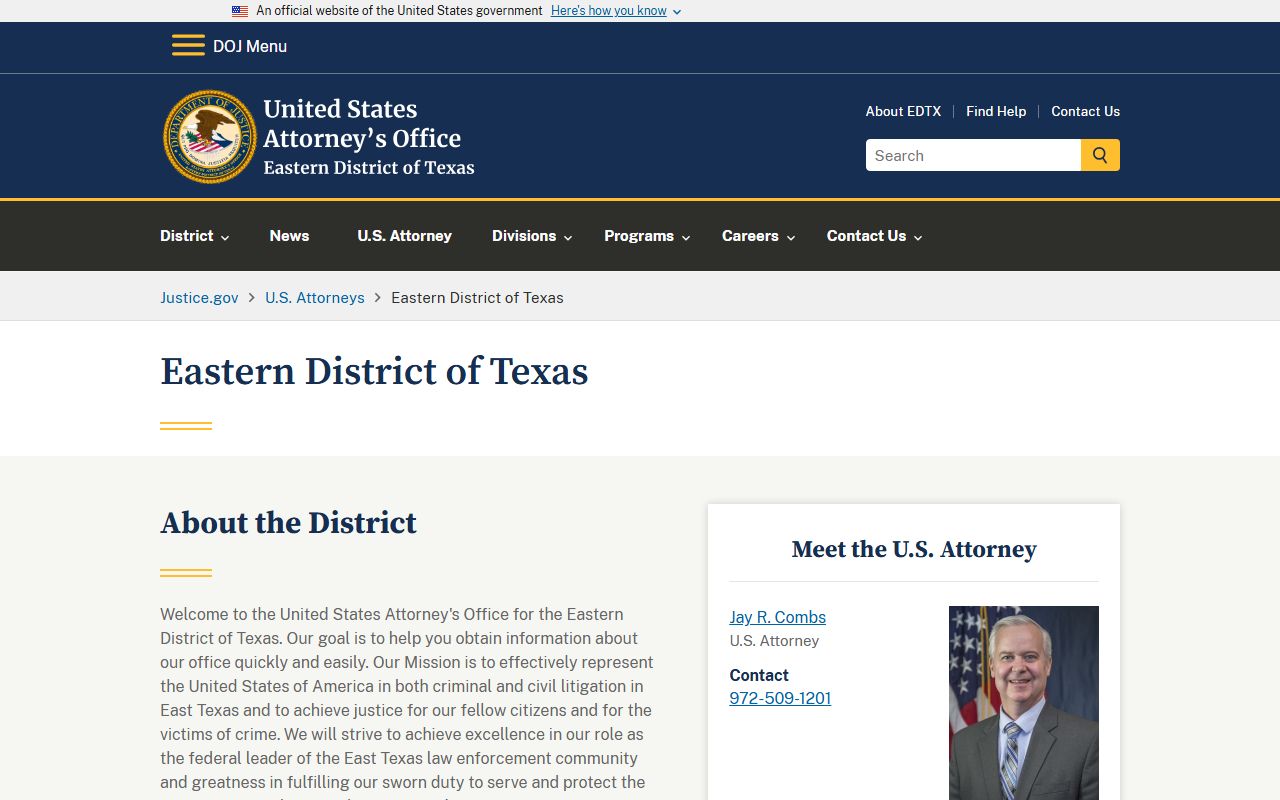
That office handles federal criminal and civil enforcement for the counties in its district, including Collin County.
Bankruptcy filings are federal, not county probate matters. They live with the U.S. Bankruptcy Court for the Eastern District of Texas.
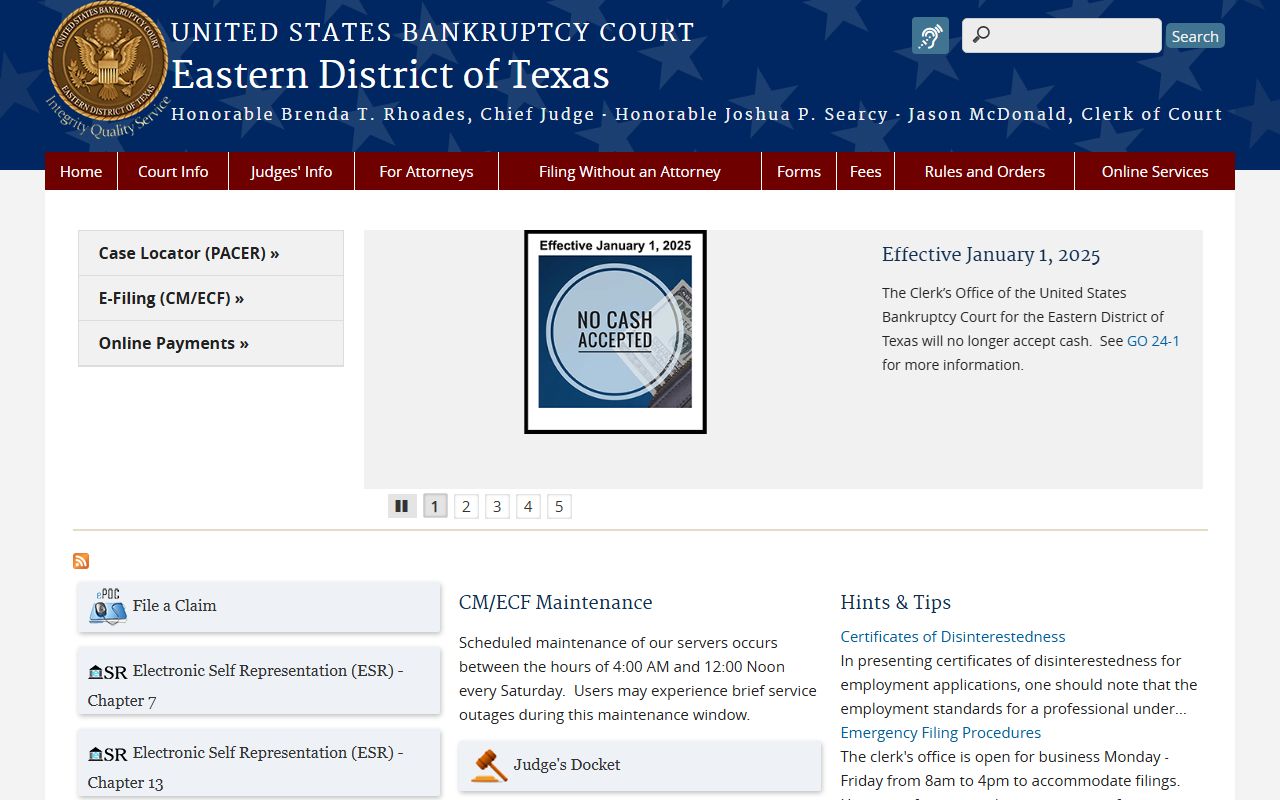
So a Collin County resident's bankruptcy is searched there, not in the county clerk records.
Federal appeals from this district go to the U.S. Court of Appeals for the Fifth Circuit, which publishes its own opinions and docket information.
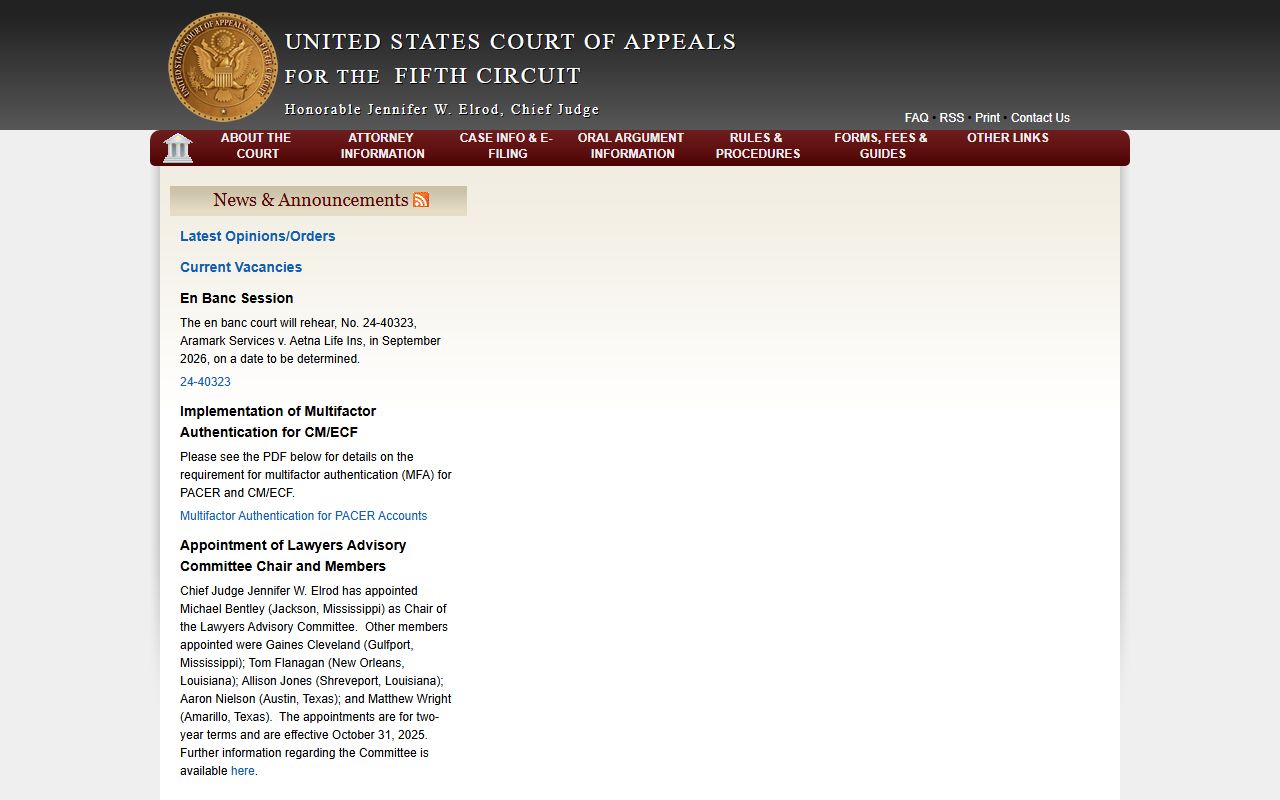
Its rulings can shape how federal cases from Collin County are decided.
To pull federal case documents directly, attorneys and registered filers use the district's CM/ECF system, reached through the Eastern District CM/ECF portal.
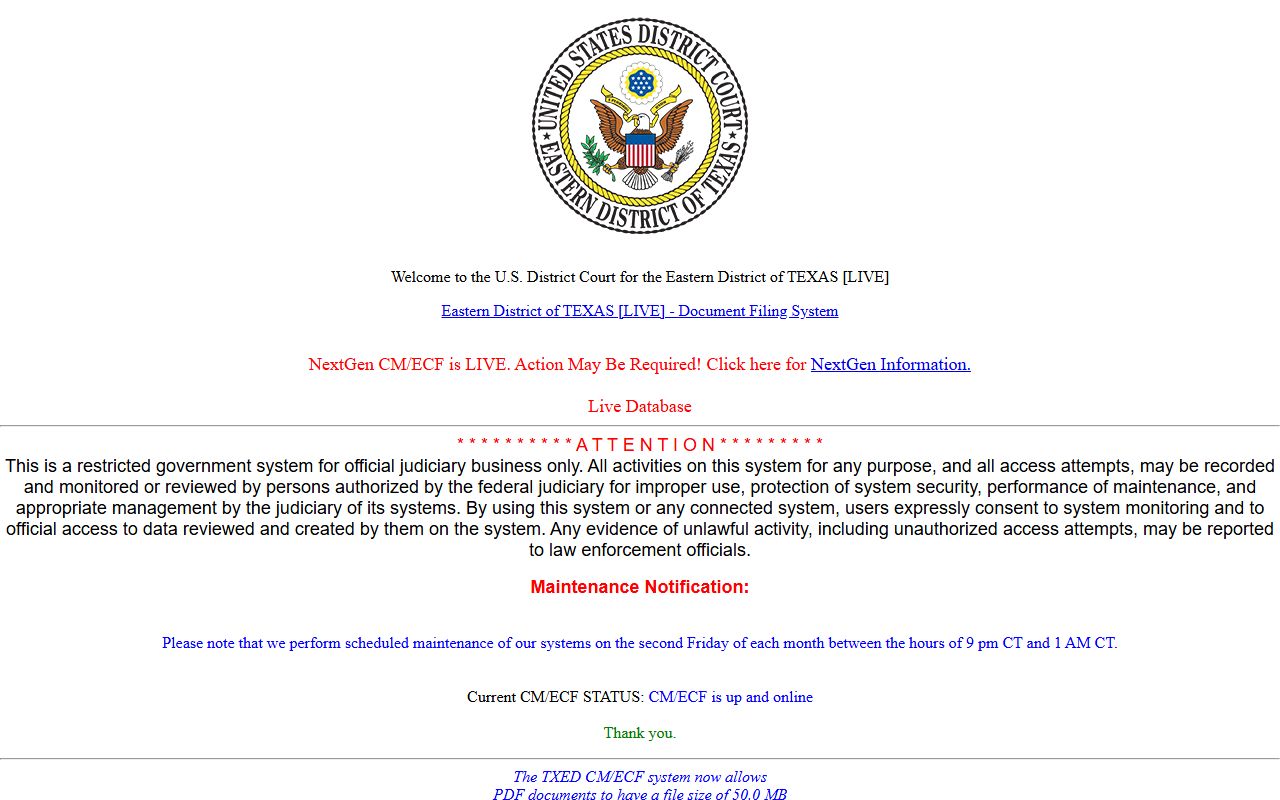
For population context that explains the county's record volume, the U.S. Census QuickFacts for Collin County gives the official 2020 count of 1,064,465 residents.
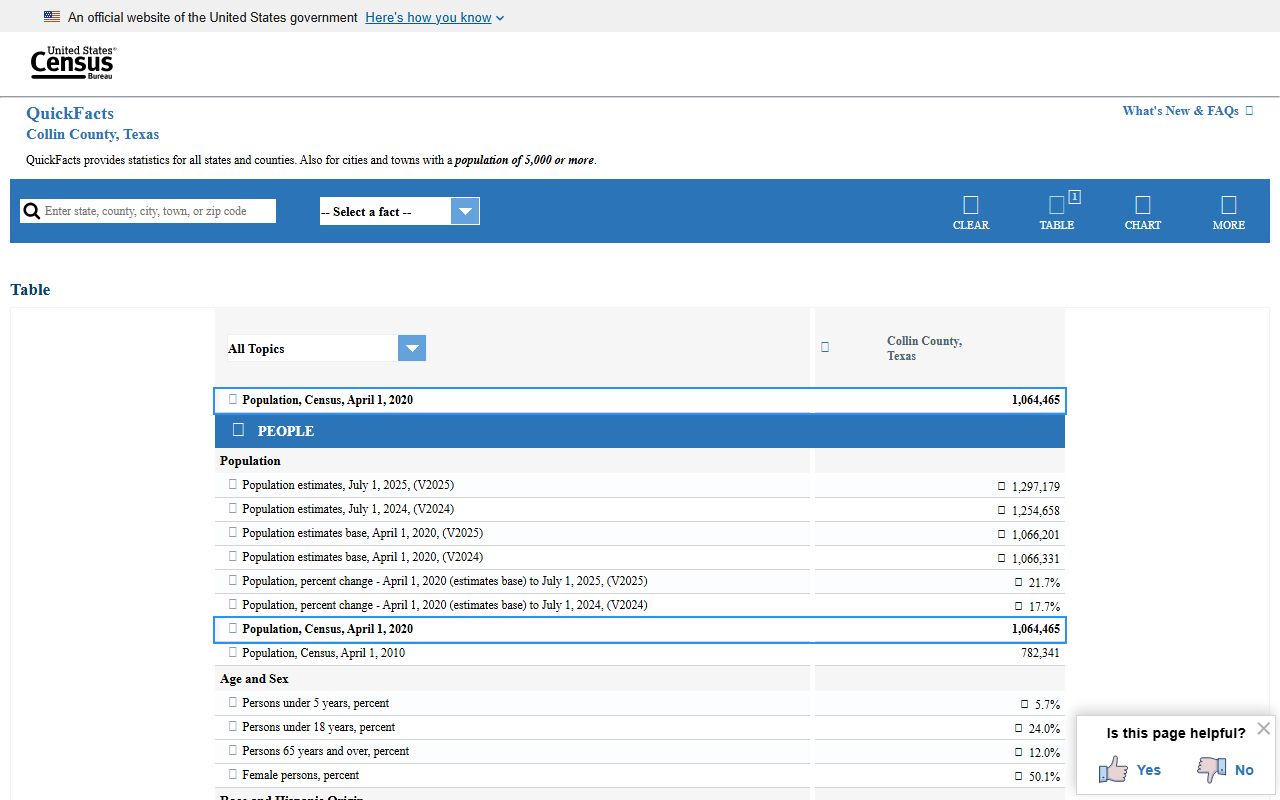
That growth helps explain why the county runs so many courts and such a large case-search system.
If Your Request Is Denied
A denial is not the end of the road. When a county office withholds a record under the Public Information Act, it generally must ask the Texas Attorney General for a ruling on whether the record can be kept back. The requester can follow that process, respond to the office's arguments, and rely on the Attorney General's open-records decision.
For court records, the path is different, since those run on court rules. A person who wants a sealed court file usually files a motion in the court that sealed it. For more on those records, see the court records and arrest records pages.